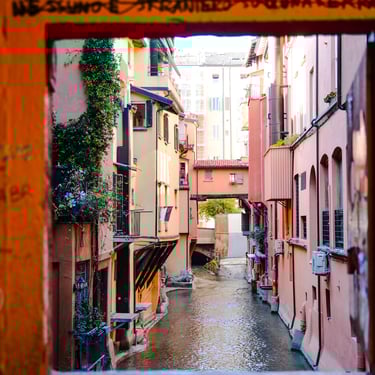
Bologna
Il mio Novembre in Italia - Capitolo uno
TRAVELITALYEUROPE
Nick and I had originally planned a South American trip that would see us visit all three world wonders in the Western Hemisphere. We had picked out flights, hotels, etc., but unfortunately, we discovered you need to book your Machu Picchu days further in advance, so we pivoted to old reliable Italy.
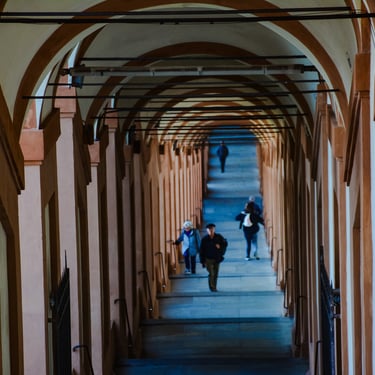
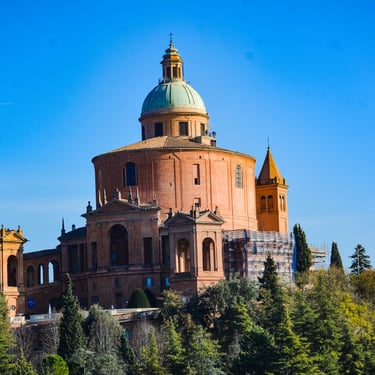
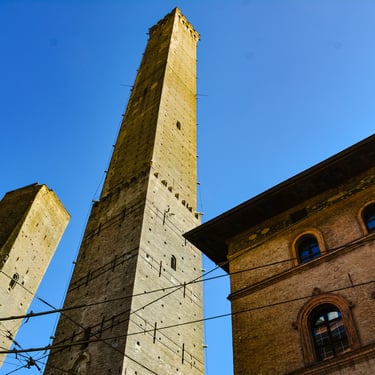
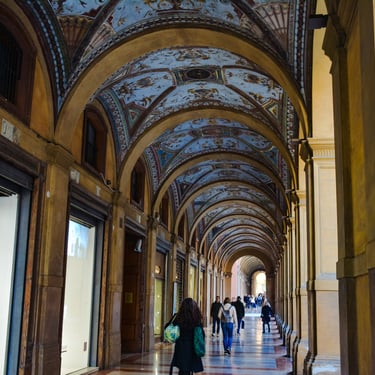
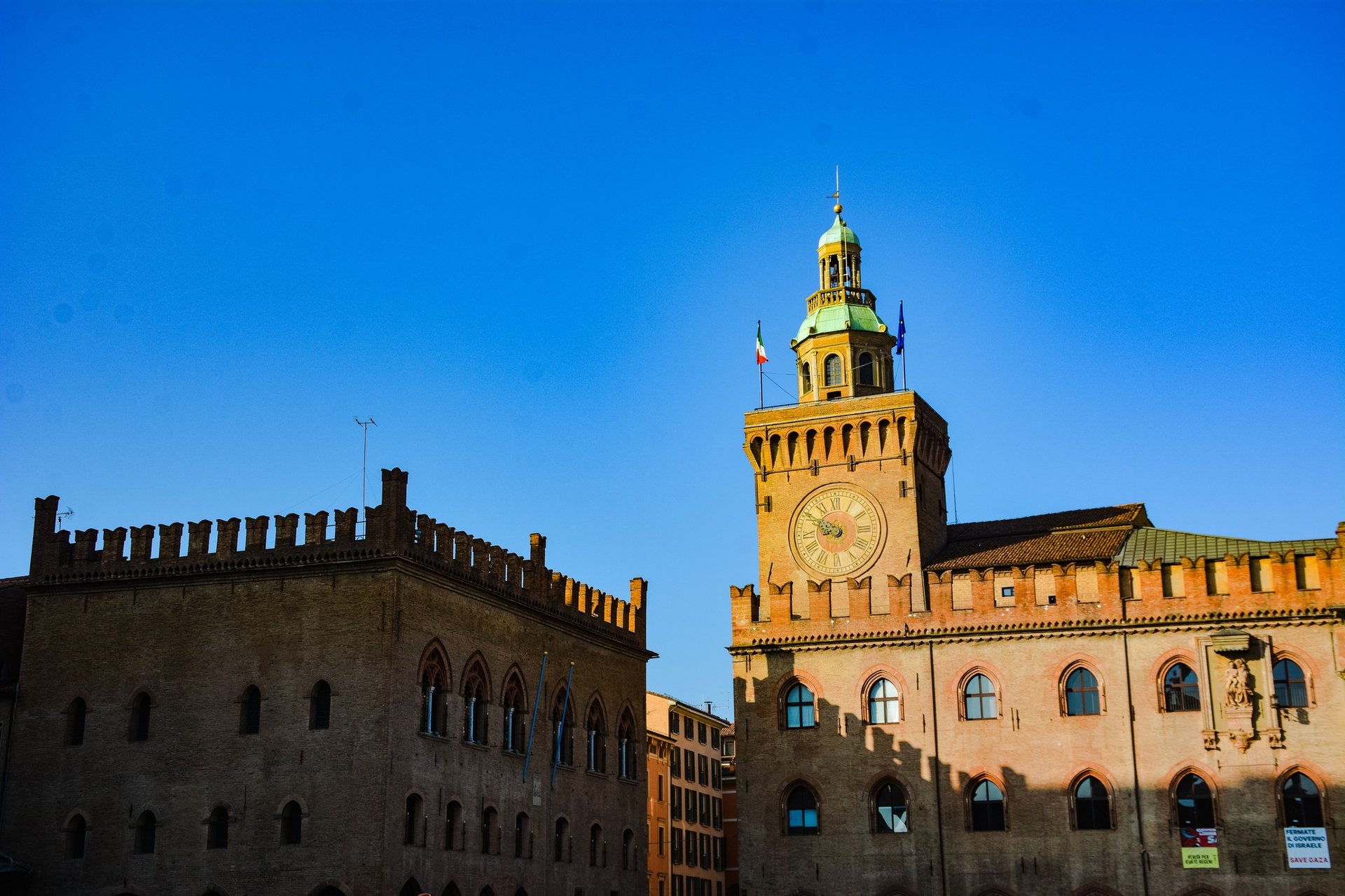
Our first stop was Bologna. Often called "La Dotta, La Grassa, La Rossa" (the Learned, the Fat, the Red), it is one of Italy’s oldest and most vibrant cities. Founded as the Etruscan settlement of Felsina around 1000 BCE, it was later renamed Bononia by the Romans in 189 BCE and grew into a major city. During the Middle Ages, it became home to the University of Bologna, established in 1088 and recognised as the world’s oldest university in continuous operation, attracting scholars like Dante and Copernicus. The city’s signature red-brick medieval architecture—towers, palaces, and endless porticos—earned it the nickname "La Rossa," while its intellectual tradition gave it "La Dotta." The city’s most iconic feature is its nearly 62 kilometres of porticos, the longest continuous network of covered walkways in the world—recognised by UNESCO. Begun in the late Middle Ages to expand living space above streets without encroaching on public land, the arcades became a practical and elegant solution to rain, sun, and crowded markets. Stretching from the city centre all the way to the Sanctuary of San Luca. The world’s longest single portico is 3.8 km with exactly 666 arches. This number was purposely chosen to lead the devil to the church of San Luca.
Bologna is equally famous as "La Grassa" for its rich cuisine: handmade tagliatelle al ragù (the origin of the world calls "spaghetti bolognese"), tortellini in brodo, mortadella, and lasagne verde. The surrounding Emilia region supplies the world with Parmigiano-Reggiano, balsamic vinegar from nearby Modena, and prosciutto.
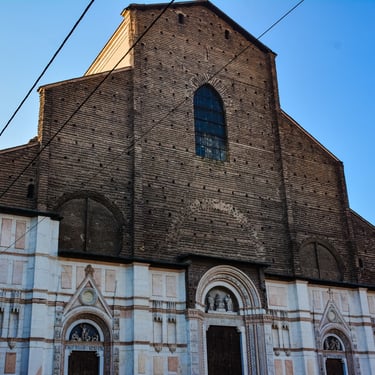
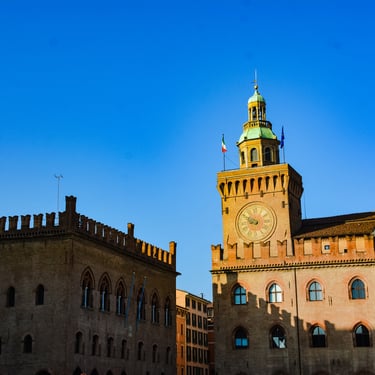
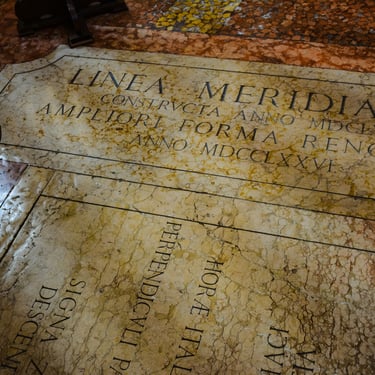
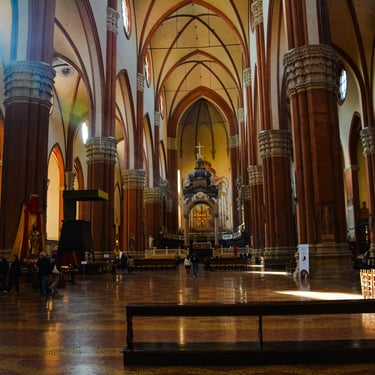
We only spent two nights in Bologna, but managed to see and eat plenty. The entire walled centre is easily walkable, and if you have time, you can walk the almost four kilometres up to the Sanctuary of San Luca using the covered porticos. The Basilica di San Petronio is another impossibly big church that houses the world's oldest sundial. Bologna’s richest families would build brick towers to outdo each other; the higher you built, the richer you were perceived. Once there were hundreds of towers in the city, but today there are only a few remaining.