Torino
Il mio Novembre in Italia - Capitolo due
TRAVELITALYEUROPE
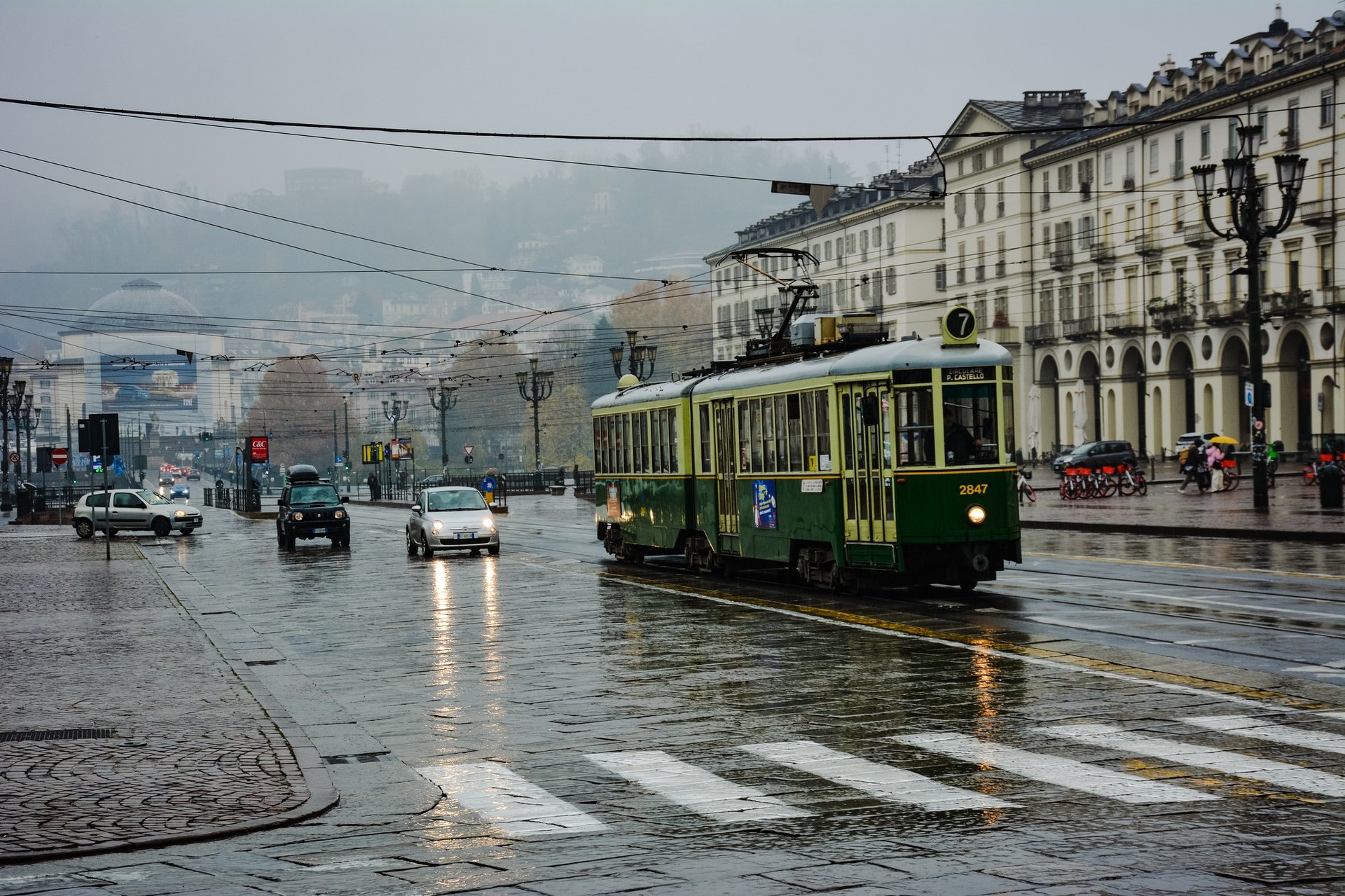
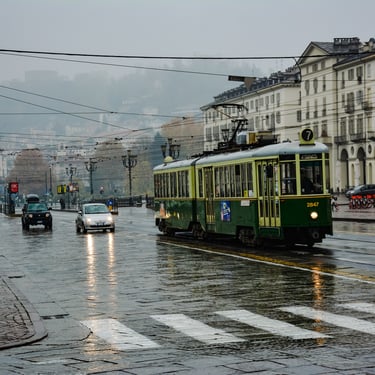
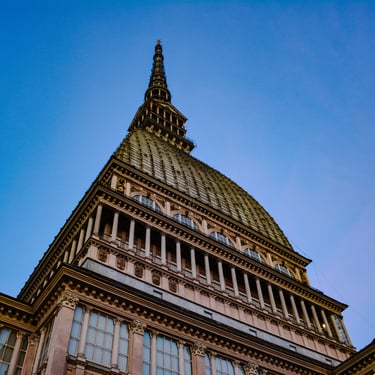
We left Bologna and in just two hours we were in Torino. I had never been to Turin, host of the 2006 Olympic Winter Games. The day we arrived was bright and sunny so we were able to see the snowcapped Alps as we arrived. Unfortunately, the rest of our time there was shrouded in cloud. Now I know what they mean by “The Shroud of Turin”
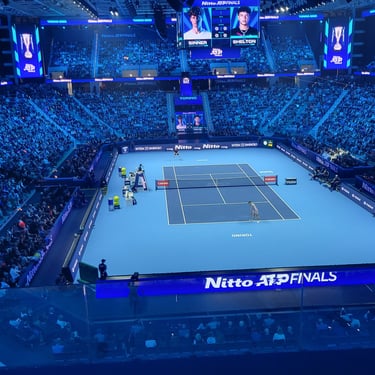
We bought tickets to a session of the ATP finals. The final event of the season in Men’s Tennis. Only the top 8 men in the world are invited. We were watching the final few tournaments to see if our Canadian Felix Auger-Aliassime was going to qualify, he did and was ranked 8th but moved up to 7 when Novak Djokovic withdrew. When you buy tickets, you have no way of knowing what players you will see, but as our date approached, it seemed we’d either see Felix or world number two Yanick Sinner.
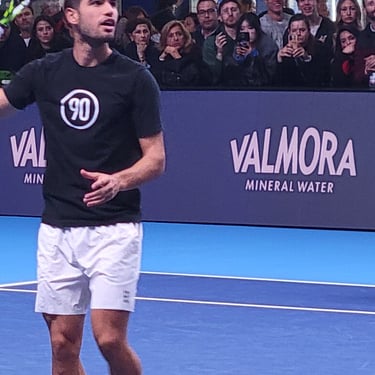
Our match ended up being Ben Shelton vs Yanick Sinner. Sinner was the crowd favourite being Italian, but Shelton gave him a tough match. Sinner prevailed. It was great seeing professional tennis for the first time live. We also had a close-up view of world number one Carlos Alcaraz doing his practice routine.
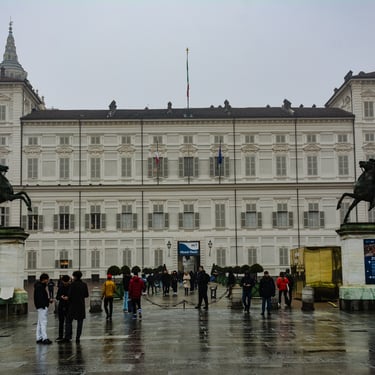
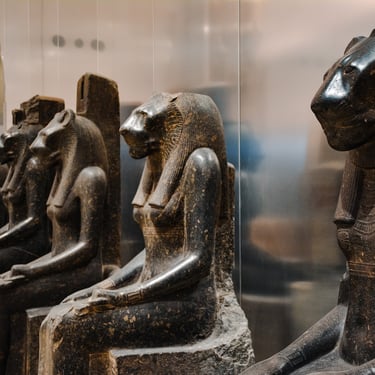
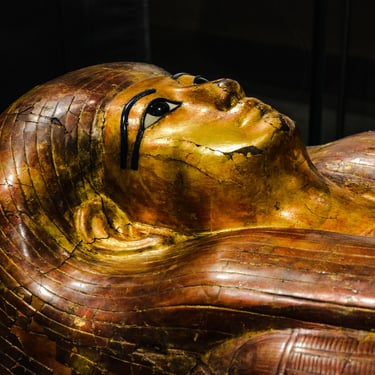
The next day we spent a rainy day at some of Turin's excellent museums. They have one of the best collections of Egyptian artefacts outside of Egypt. There is also a history of film museum and the Royal Palace of the Savoy, the dynasty that ruled Piedmont.
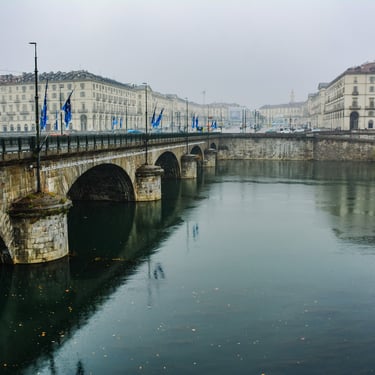
Torino was the first capital of a unified Italy from 1861 to 1865, and owes its stately grandeur and elegance almost entirely to the House of Savoy. This ambitious dynasty transformed a modest medieval stronghold on the Po River into one of Europe’s most refined baroque cities. From the early 16th century, when Emanuele Filiberto moved the ducal capital from Chambéry to Turin in 1563, the Savoys commissioned a ring of monumental residences that still define the city’s identity. The vast Palazzo Reale, begun in the 1580s and repeatedly enlarged, served as the family’s main seat until 1861; its opulent apartments, Armeria Reale, and sweeping gardens remain a testament to their power. Just outside the city, the Savoys built even more extravagant retreats: the hunting lodge of Stupinigi, the riverside Castello di Rivoli, and above all the immense Reggia di Venaria Reale, a UNESCO-listed complex modelled on Versailles with 80,000 square metres of palace and one of Europe’s largest gardens. The urban plan itself is a Savoy creation: wide, straight boulevards and harmonious squares laid out in the 17th and 18th centuries.